Arnica: Properties, Uses and Benefits for Skin and Body
An unexpected bump, tired legs at the end of the day or muscle tension after exercise. These are sensations the body stores and the skin reflects. In such moments, nature has been providing effective solutions for centuries. Among them, arnica stands out as one of the most widely used medicinal plants thanks to its soothing, circulation boosting and restorative properties.
If you have ever wondered what arnica is, what it is used for, or what benefits it offers for the skin, here you will find a clear, science based and conscious guide to this ancestral plant that remains a key ingredient in natural cosmetics today.
What is arnica and where does it come from?
Arnica is a medicinal plant known for its anti inflammatory, soothing and circulation stimulating properties. It is mainly used in cosmetics and body care products to help relieve bumps, muscle tension and the sensation of tired legs.
Arnica montana, the mountain medicinal plant
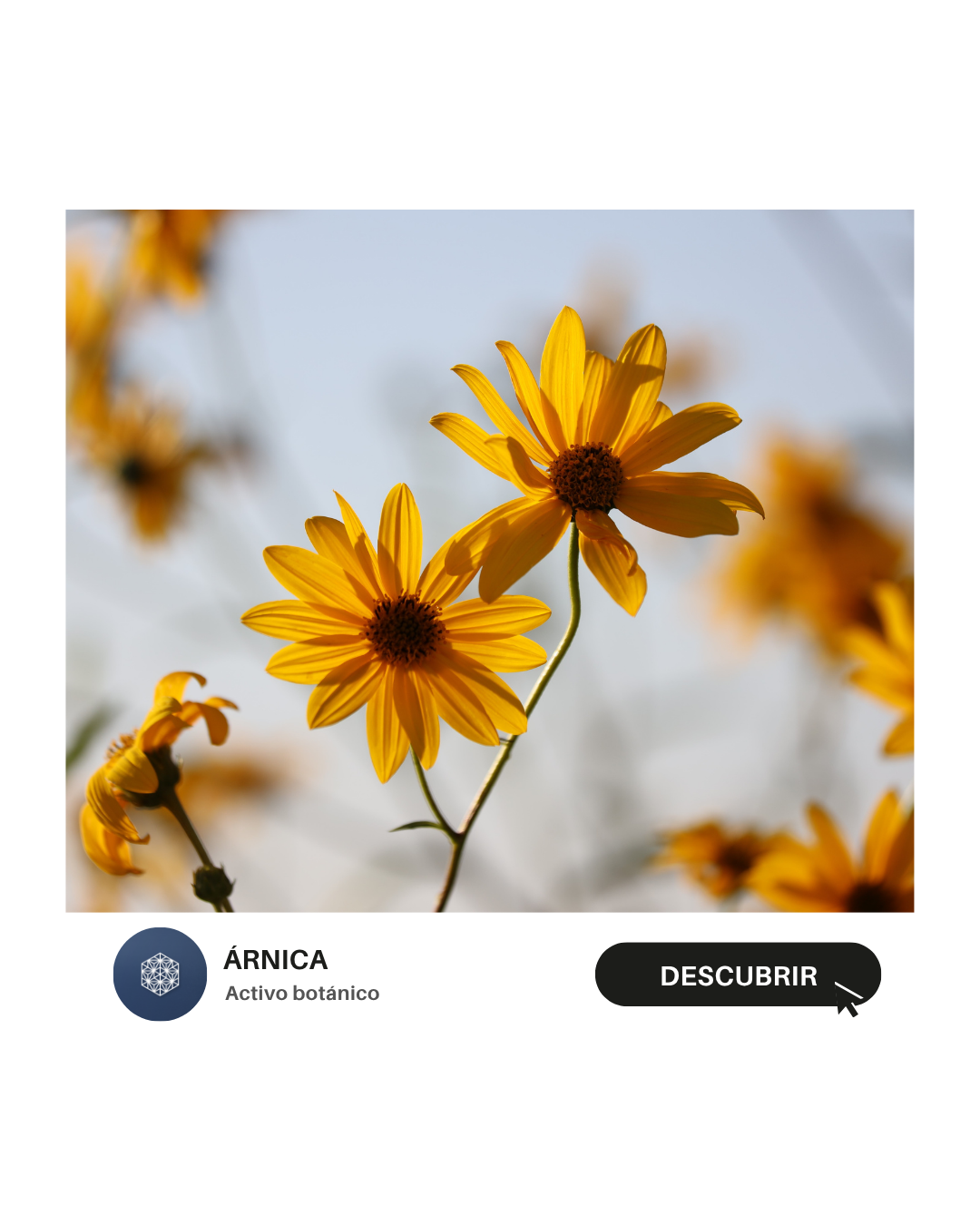
The best known variety is Arnica montana, a wild plant that grows in the mountainous regions of Europe and has traditionally been used in natural remedies thanks to its ability to ease physical discomfort and care for the skin.
Its bright yellow flowers contain the plant’s most valued active compounds. For centuries, they have been used in oils, balms and botanical preparations designed to support muscular and skin wellbeing.
Composition: what makes arnica so special?
Arnica contains natural compounds with soothing, antioxidant and microcirculation stimulating properties. These include sesquiterpene lactones, flavonoids and essential oils.
This combination makes arnica a highly valued ingredient in natural cosmetics, especially in formulas designed to reduce inflammation, decongest tissues and protect the skin from oxidative stress.
Arnica benefits for the skin
Arnica is renowned for its ability to soothe, repair and stimulate skin circulation. This is why it is commonly used in body care, facial care and sports recovery products.
1. Anti inflammatory and soothing properties
Arnica helps reduce inflammation and relieve the sensation of muscular discomfort or localised tension. For this reason, it is one of the most widely used ingredients in products for athletes, massages and muscle recovery.
When applied through massage, it helps relax the area and provides an immediate feeling of comfort and freshness.
2. Skin regenerating and protective action
Arnica supports the skin’s natural regeneration processes and helps protect it from external aggressors. Thanks to its protective properties, it is commonly found in formulas designed to care for the skin and support the recovery of minor superficial marks.
It should always be applied to intact skin and never to open wounds.
3. Stimulates circulation and reduces puffiness
Arnica promotes microcirculation and helps reduce feelings of heaviness and congestion in the legs and tissues. This makes it particularly useful for tired legs, fluid retention and swollen areas.
It is also used in decongesting cosmetics to reduce puffiness and visible signs of fatigue.
4. Antioxidant and anti ageing benefits
Arnica contains natural antioxidants that help protect the skin against premature ageing caused by external factors such as stress, pollution and environmental exposure.
In facial care, it enhances radiance, helps revitalise the appearance of the skin and promotes a more rested look.
5. Soothing support for sensitive skin
Arnica helps reduce feelings of discomfort and reactivity in sensitised skin. Its calming action makes it an interesting ingredient in conscious skincare focused on restoring skin balance.
When properly formulated and combined with other botanical actives, it can provide comfort and softness even to delicate skin.
What is arnica used for? Applications in natural cosmetics
Arnica is used to help relieve physical discomfort, stimulate circulation and improve the appearance of the skin. Its most common use is topical, through creams, oils, gels and serums.
For bumps, bruises and minor contusions
Arnica has traditionally been used to help reduce inflammation and improve the appearance of bruises and minor bumps. Applied with a gentle massage, it helps decongest the area and supports the skin’s natural recovery.
For muscle soreness and tension
Arnica is one of the most widely used natural ingredients among athletes thanks to its soothing and muscle relaxing effects. It helps ease the sensation of overworked muscles after exercise and promotes physical wellbeing following intense training sessions.
For tired legs and poor circulation
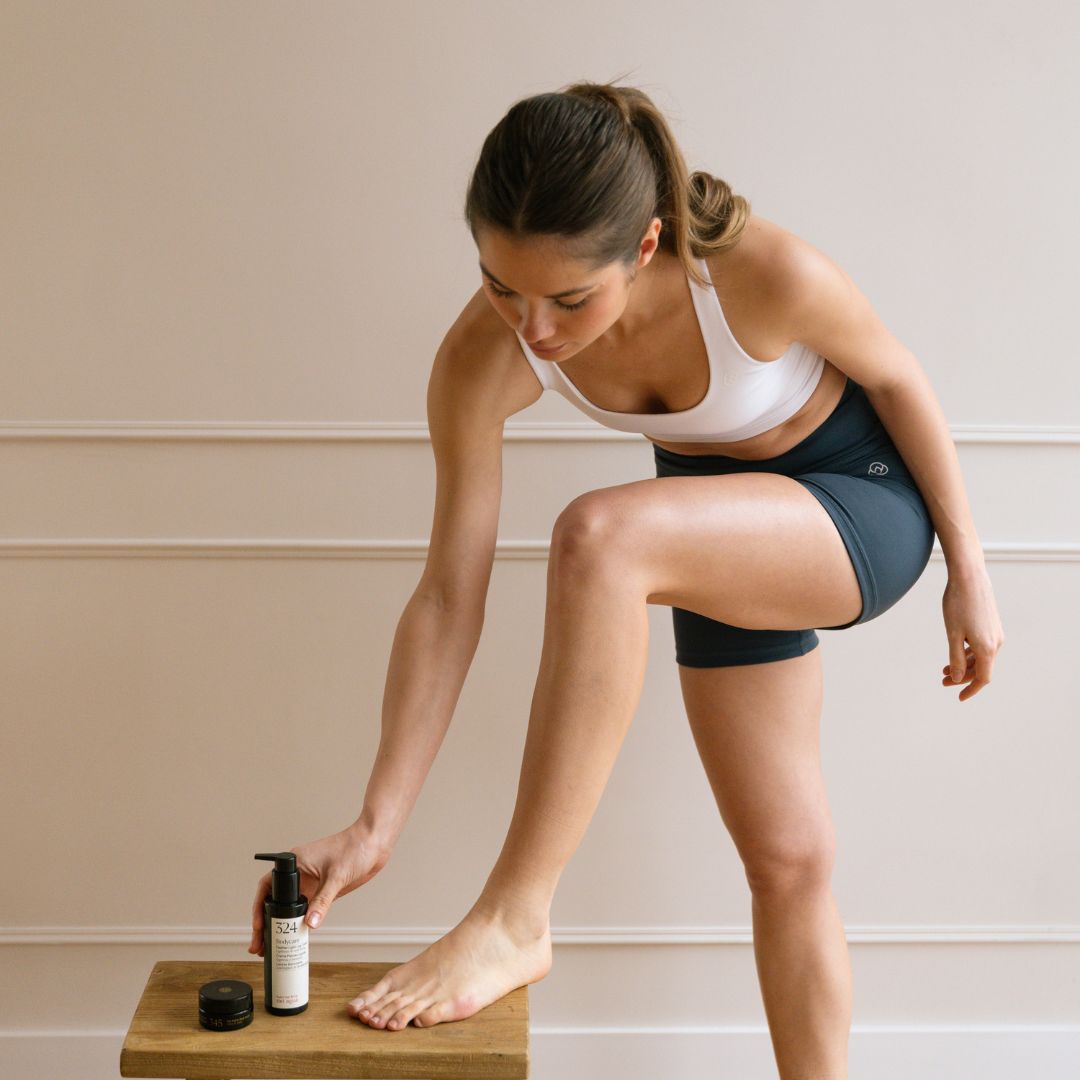
Arnica helps stimulate superficial circulation and relieve the sensation of heavy legs. It also contributes to reducing fluid retention and promoting a feeling of lightness and comfort.
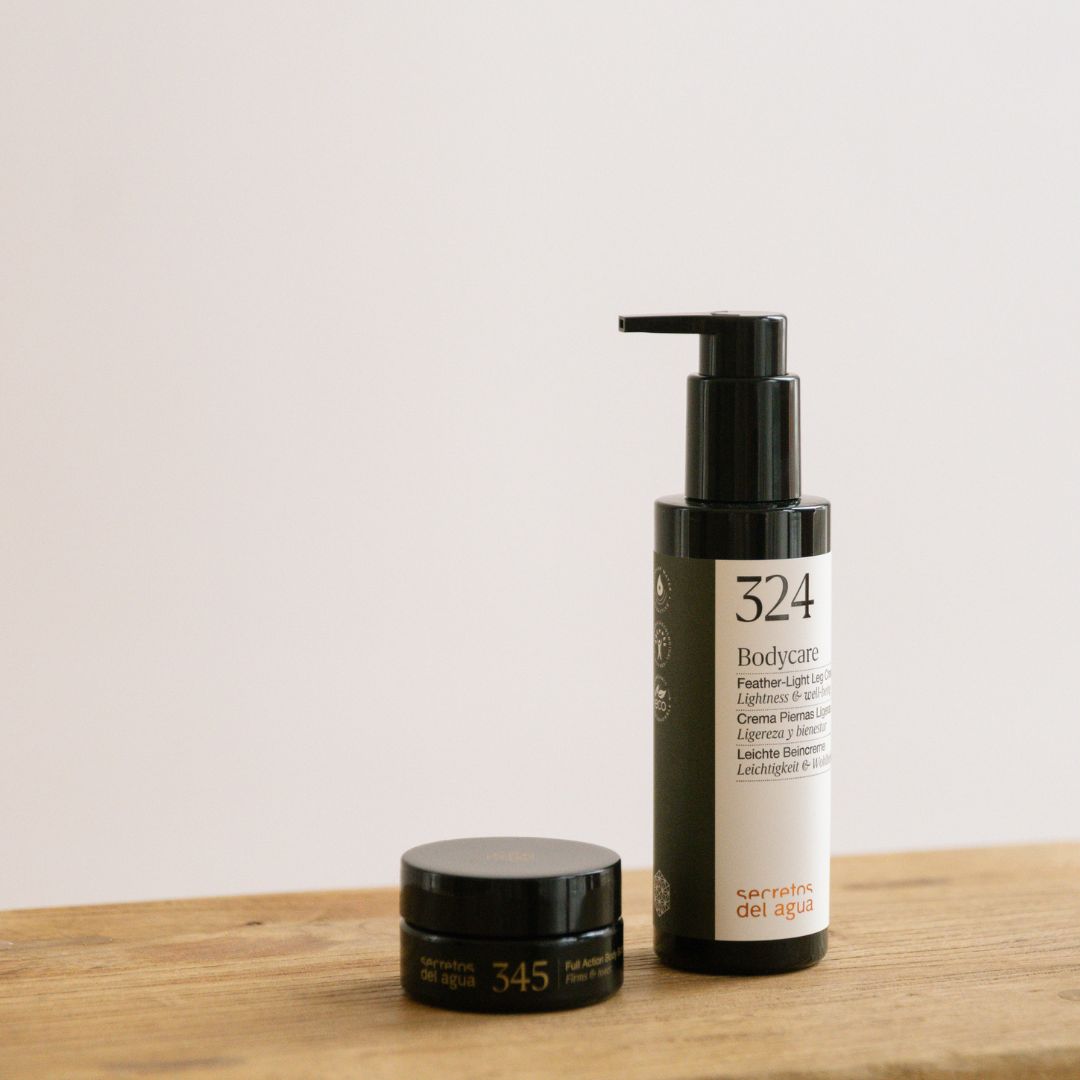
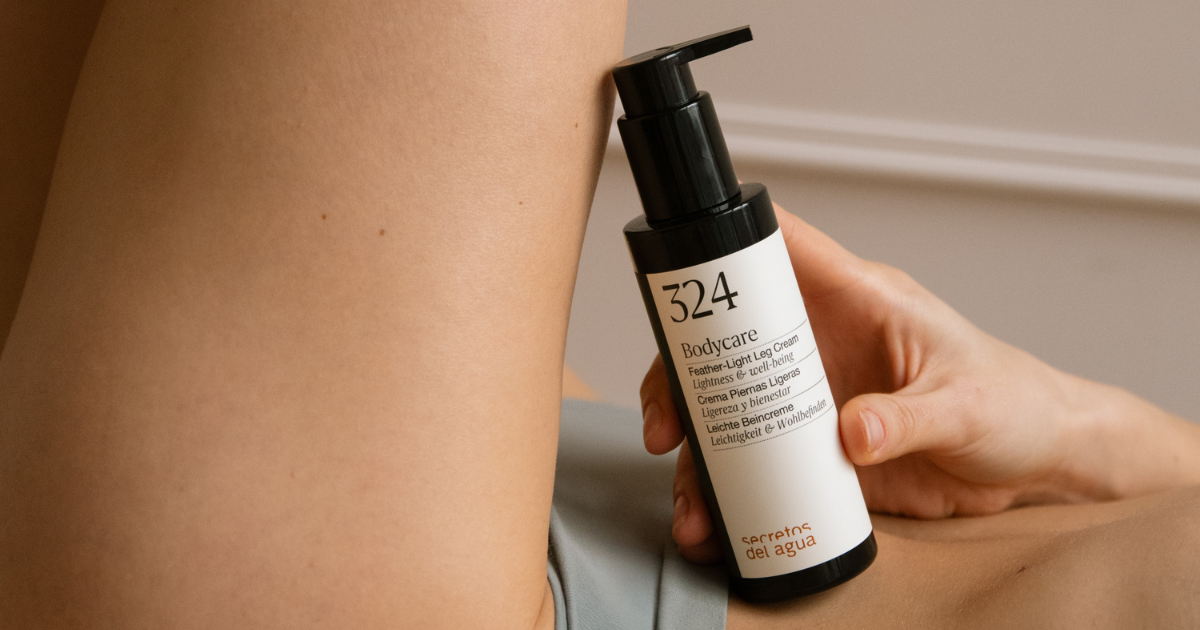
For this reason, it is a highly valued ingredient in refreshing and decongesting body formulas, such as our Feather-Light Leg Cream, designed to restore wellbeing and comfort to the legs day after day.
For the eye contour area
Arnica can help decongest the eye contour area and visibly reduce puffiness and signs of fatigue thanks to its circulation boosting and soothing action.
It should always be used in products specifically formulated for this delicate area and direct contact with the eyes should be avoided.
For radiant and protected skin
Arnica provides revitalising and antioxidant benefits in body care, helping to improve elasticity, strengthen the skin barrier and restore radiance.
By stimulating circulation and protecting against oxidative stress, it is an ideal active ingredient in nourishing and restorative body treatments such as our Golden Body Oil.
How is arnica used?
EArnica is used exclusively as a topical treatment through cosmetic and body care products such as oils, gels, creams and balms.
Available formats
- Arnica oil: Ideal for body massages and muscle recovery.
- Arnica cream: Suitable for hydration and targeted relief.
- Arnica gel: Provides a refreshing and lightweight sensation, especially beneficial for tired legs.
- Arnica balm: A richer, more nourishing texture for specific areas.
Safe use guidelines
Arnica should be applied with a gentle circular massage once or twice daily, depending on individual needs. For sensitive skin, a patch test is recommended before first use.
It should never be applied to open wounds, deep cuts or mucous membranes. It must not be ingested under any circumstances.
Arnica contraindications and precautions
Arnica is considered safe for topical cosmetic use when applied correctly and according to recommendations.
For external use only
Arnica contains compounds that may be toxic if ingested. Therefore, it should be used exclusively as an external cosmetic treatment.
It should never be taken orally or applied to mucous membranes, the eyes or damaged skin.
When should arnica not be used?
Arnica is not recommended for:
- Open wounds or deep cuts
- Use during pregnancy without professional guidance.
- People allergic to plants from the Asteraceae family, such as daisies, chamomile or calendula.
- Mucous membranes or the inner eye area.
If any skin reaction occurs, discontinue use and consult a healthcare professional.
Frequently asked questions about arnica
Can arnica be taken orally?
No. Arnica should not be ingested. Its safe use is exclusively topical and cosmetic.
How quickly does arnica work?
Many people experience its soothing effect within minutes of application, especially in products intended for massage or muscle relief. Visible benefits for the skin depend on regular and consistent use.
Is arnica suitable for athletes?
Yes. Arnica is highly valued by athletes for its soothing, anti inflammatory and muscle relaxing properties. It helps relieve the sensation of muscle overload and supports physical wellbeing after exercise.
Arnica in conscious natural cosmetics
Arnica combines traditional herbal knowledge with modern natural cosmetics. Its soothing, regenerative and circulation boosting properties make it a versatile active ingredient for body and skin care.
Within conscious beauty rituals, arnica represents natural support, gentle regeneration and a holistic approach to wellbeing.
- Body, Tips | Arnica: Properties, Uses and Benefits for Skin and Body Read more